Associate Professor of Physiology
School of Medicine, IMU University
I am an Indonesian academic based in Malaysia, working across rare diseases, genomic medicine, research ethics, and evidence synthesis.
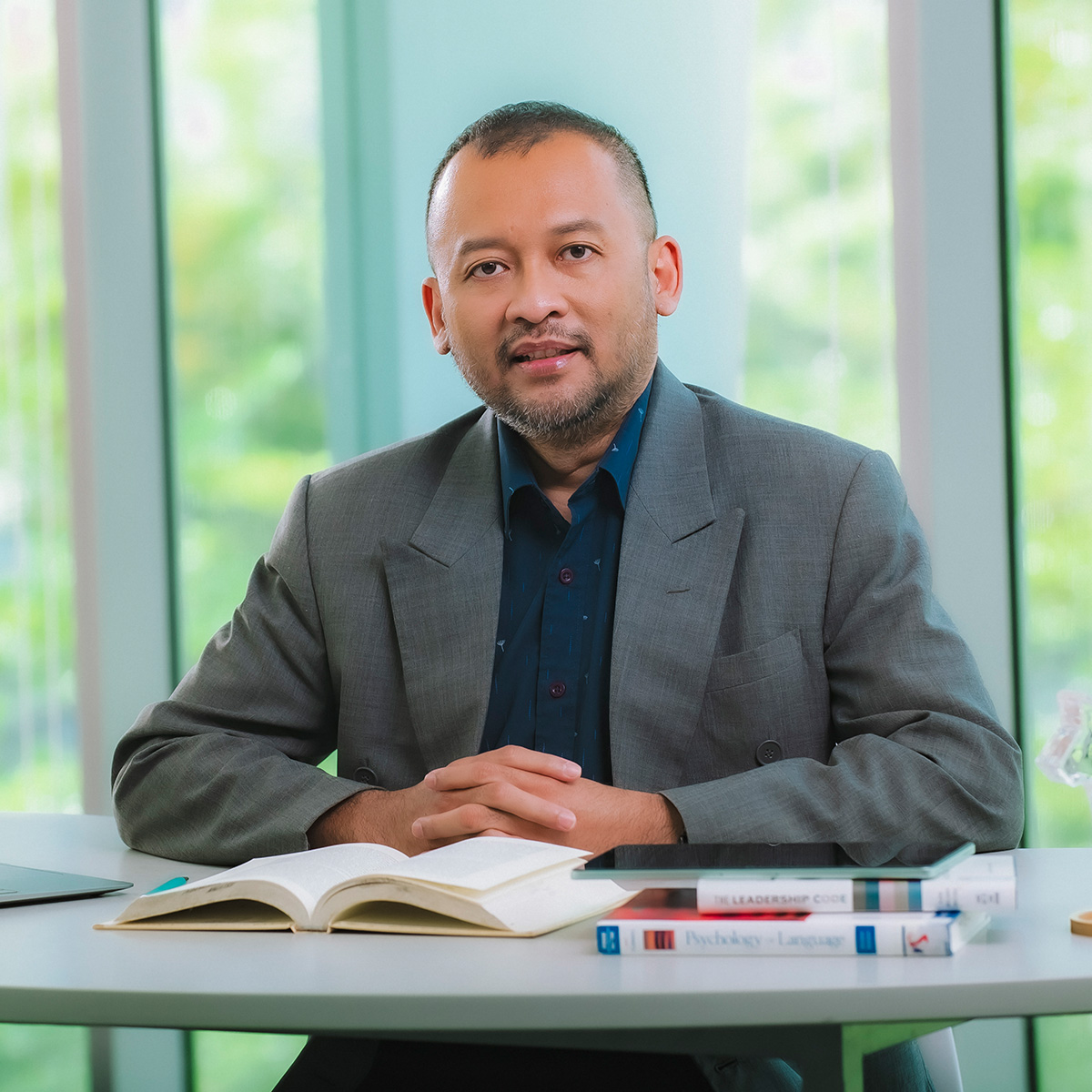
I am medically trained and work as an academic researcher and educator.
I trained in medicine at Universitas Gadjah Mada and completed my PhD in Medical Sciences at Kobe University under the Japanese Government’s Monbukagakusho Scholarship. My earlier research examined the molecular genetics of rare inherited disorders, including spinal muscular atrophy, Duchenne muscular dystrophy, and tuberous sclerosis complex.
That foundation continues to inform my work. Increasingly, I ask how health systems decide what evidence to generate, whose needs receive attention, and how research can be translated ethically and equitably into practice.
I value collaborations that bring together scientific methods, ethical reasoning, policy experience, and the knowledge of patients and communities.
View / print academic profile ↗School of Medicine, IMU University
Institute for Research, Development, and Innovation (IRDI), IMU University
International Rare Diseases Research Consortium (IRDiRC) · September 2026–September 2029
Routledge International Handbook of Planetary Health · In development
IMU University · Since September 2023
MD, Universitas Gadjah Mada, Indonesia
PhD in Medical Sciences, Kobe University, Japan
Leadership of Cochrane Malaysia’s Bahasa Malaysia Translation Project
JSPS visiting research fellowship, Osaka University
GFBR fellowship on rare inherited disease research priority-setting in LMICs
Dr Teguh Haryo Sasongko is Associate Professor of Physiology at IMU University and Deputy Director for Consultancy, Laboratory Services, and Business Development at IRDI. He serves on the IRDiRC Interdisciplinary Scientific Committee (September 2026–September 2029). His work connects rare disease research priorities, climate–health equity, genomic ethics, and evidence synthesis, bringing academic, policy, industry, and community perspectives to overlooked health needs.
I welcome complementary perspectives and collaborations across research, policy, practice, and communities.